

“Type 2 Diabetes: The Silent Killer — Symptoms, Causes, Control, Diet, and Prevention“
- Introduction
Type 2 diabetes mellitus (T2DM) is a chronic metabolic disorder characterized by persistent hyperglycemia caused by insulin resistance and progressive pancreatic beta-cell dysfunction. According to global health data, the majority of diabetes cases worldwide are type 2, making it one of the most significant non-communicable diseases of the modern era.
=> Why Type 2 Diabetes Is Called “The Silent Killer”
– Slow Progression and Hidden Damage
- Type 2 diabetes doesn’t usually announce its arrival with loud alarms. Blood sugar levels rise slowly over years. During this time, your body is already suffering—your blood vessels, nerves, kidneys, eyes, and heart are quietly taking a hit.
- By the time obvious symptoms appear, significant damage may already be done. That’s what makes it dangerous. It’s like termites in a wooden house—you don’t see them, but the structure weakens from within.
– Hidden Damage Before Diagnosis
- While symptoms remain mild or absent, high glucose levels silently:
- Damage blood vessels
- Weaken nerves
- Strain the kidneys
- Increase the risk of heart disease
- This silent damage increases the risk of cardiovascular disease, kidney failure, neuropathy, and vision loss long before diagnosis.
2. What Exactly Is Type 2 Diabetes?
Type 2 diabetes is a metabolic disorder that affects how the body processes glucose—the main source of energy.
– Insulin Resistance Explained Simply
- In a healthy body, insulin acts like a key, allowing sugar to enter the cells. In type 2 diabetes, the lock becomes rusty. Insulin is still produced by the body; however, cellular responsiveness to insulin is significantly reduced. This condition is known as insulin resistance.
- As a result:
- Sugar builds up in the bloodstream
- The pancreas works overtime
- Insulin production eventually declines
3. Common Symptoms of Type 2 Diabetes
– Early Symptoms That Are Often Ignored
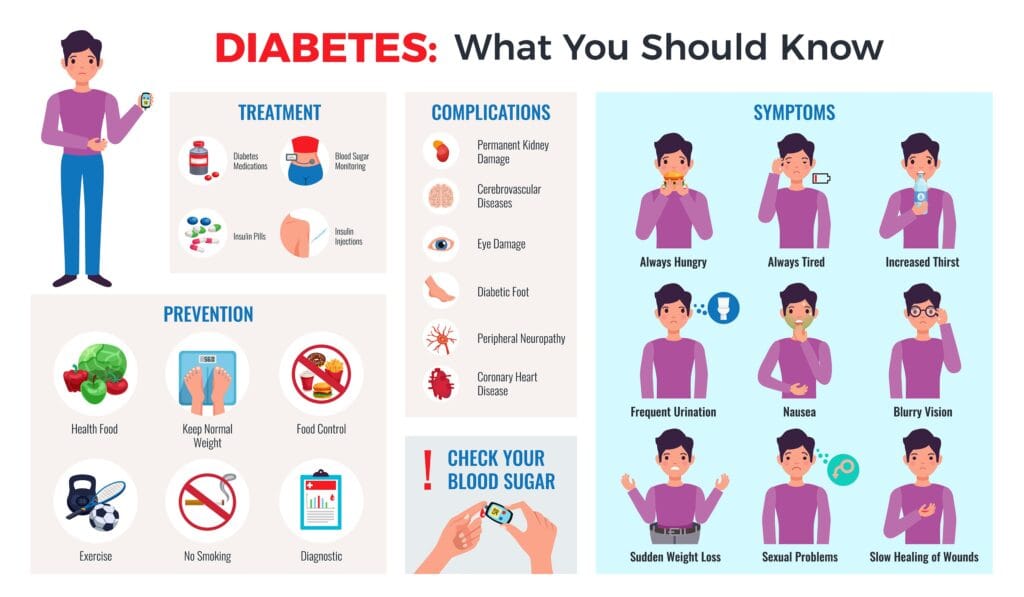
Early warning signs are easy to overlook because they seem harmless:
- Frequent urination
- Excessive thirst
- Constant tiredness
- Increased hunger
- Blurred vision
- Slow wound healing
Many people blame these symptoms on aging, stress, or a busy lifestyle.
– Advanced Symptoms You Should Never Ignore
As diabetes progresses, symptoms become more serious:
- Tingling or numbness in hands and feet
- Recurrent infections
- Unexplained weight loss
- Darkened skin patches around the neck or armpits
At this stage, immediate medical care is essential.
4. Main Causes of Type 2 Diabetes
– Lifestyle-Related Causes
Modern lifestyles play a major role:
- Diet high in sugar and refined carbohydrates
- Physical inactivity
- Excess body weight, especially abdominal fat
- Chronic stress
- Poor sleep quality
In simple terms, when calorie intake exceeds calorie use over time, the body’s glucose system breaks down.
– Genetic and Medical Factors
Other contributing factors include:
- Family history of diabetes
- Increasing age
- Hormonal disorders
- Conditions like PCOS
- History of gestational diabetes
Genetics may increase risk, but lifestyle choices largely determine outcomes.
5. Risk Factors That Increase Your Chances
You may be at higher risk if you:
- Are overweight or obese
- Have high blood pressure or cholesterol
- Live a sedentary lifestyle
- Smoke or consume alcohol regularly
- Have a family history of diabetes
Awareness of risk is the first step toward prevention.
6. How Type 2 Diabetes Is Diagnosed
Diagnosis is simple and accessible through blood tests such as:
- Fasting Blood Sugar (FBS)
- Postprandial Blood Sugar (PPBS)
- HbA1c (average blood sugar over 3 months)
Regular screening can detect diabetes early—even before symptoms appear.
7. Complications of Uncontrolled Type 2 Diabetes
– Short-Term and Long-Term Health Risks
If left unmanaged, diabetes can lead to:
- Heart disease and stroke
- Kidney failure
- Nerve damage (neuropathy)
- Vision problems and blindness
- Foot ulcers and amputations
This is why diabetes should never be taken lightly.
8. Best Diet for Type 2 Diabetes Control
Food choices can either stabilize blood sugar—or spike it.
– Foods That Help Control Blood Sugar
Focus on:
- Green leafy vegetables
- Whole grains (in controlled portions)
- Lentils and legumes
- Nuts and seeds
- Lean protein like fish, eggs, tofu
- Healthy fats from olive oil and avocados
– Foods to Limit or Avoid
Reduce intake of:
- Sugar and sweetened beverages
- Refined flour products
- Fried and processed foods
- Packaged snacks
- Excess alcohol
– Understanding the Glycemic Index
The glycemic index (GI) shows how fast a food increases blood sugar levels. Low-GI foods digest slowly, providing steady energy and better sugar control—like a dimmer switch instead of an on/off button
9. Role of Physical Activity in Diabetes Control
- Exercise improves insulin sensitivity and helps lower blood sugar naturally.
- Effective activities include:
- Brisk walking
- Cycling
- Swimming
- Yoga
- Strength training
- Even 30 minutes a day can significantly improve glucose control.
– Lifestyle Changes That Truly Matter
- Small, consistent habits create lasting results:
- Maintain a healthy weight
- Sleep 7–8 hours nightly
- Manage stress through meditation or hobbies
- Quit smoking
- Limit screen time and stay active
Consistency beats intensity.
– Lifestyle Modifications with Proven Benefits
- Weight reduction of 5–10%
- Sleep optimization (7–8 hours)
- Stress management (mindfulness, yoga)
- Smoking cessation
- Limiting alcohol intake
These interventions significantly lower HbA1c levels.
10. Medical Management and Monitoring
Treatment plans are individualized and may include:
- Oral antihyperglycemic agents
- Injectable therapies
- Insulin therapy (when indicated)
Regular monitoring of:
- Blood glucose
- Blood pressure
- Lipid profile
- Kidney function
- it is essential for long-term safety.

– Is Reversal of Type 2 Diabetes Possible?
Clinical evidence shows that early-stage type 2 diabetes may enter remission with intensive lifestyle modification and weight loss. While not guaranteed, remission is achievable for many patients.
– Prevention Strategies Backed by Research
- Balanced nutrition from early adulthood
- Regular physical activity
- Maintaining healthy body weight
- Periodic screening for high-risk individuals
Prevention remains the most effective intervention.
11. Common Myths and Facts
Myth: Only overweight people get diabetes
Fact: Even lean individuals can develop it
Myth: Diabetes is not serious
Fact: It can be life-threatening if unmanaged
Myth: Medication alone is enough
Fact: Lifestyle changes are equally important
12. Conclusion
Type 2 diabetes may develop quietly, but its consequences can be severe. The power to control—or even prevent—it lies largely in daily choices. With early detection, mindful eating, regular movement, and consistent care, diabetes does not have to control your life.
Listen to your body. Act early. Protect your future.
13. Medical Disclaimer:
The content published on this website is intended for general informational purposes only. It is not a substitute for professional medical advice, diagnosis, or treatment. Never disregard or delay seeking medical advice because of information found here. Always seek the guidance of a qualified physician or healthcare provider with any questions regarding a medical condition.
= FAQs =
- Is type 2 diabetes permanent?
It is a chronic condition, but it can be well controlled and sometimes reversed in early stages. - Can people with diabetes eat carbohydrates?
Yes, but portion control and choosing complex carbs is essential. - How often should blood sugar be tested?
Frequency depends on individual control and medical advice. - Does stress affect blood sugar levels?
Yes, chronic stress can significantly raise blood glucose. - Can young adults develop type 2 diabetes?
Yes, sedentary lifestyles and poor diets have increased cases in younger age groups.

Hi, I’m Shishpa, founder of Healthfacts.in. I am a passionate health blogger focused on Mental wellness, Diabetes care, Weight management, and natural remedies. My goal is to provide easy, research-based and practical health advice that anyone can follow at home.