
Simple exercises that quickly reduce Depression symptoms in U.S
- Depression can make small things feel very hard. Getting out of bed, taking a shower, or going outside may feel like too much.
- Exercise is not a cure, but gentle movement can help reduce sadness, stress, and tiredness.
- You do not need a gym or special clothes. Even small movements can help your body and mind feel better.
- This guide shares simple exercises that many people in the United States use to feel better quickly. They are easy, safe, and fit into daily life.
1. Why exercise helps Depression
Exercise helps to reduce depression in a few important ways:
- It releases feel-good chemicals in the brain, like endorphins and serotonin
- It lowers stress hormones such as cortisol
- It improves sleep, energy, and focus
- It gives a sense of control and accomplishment
- It helps break the cycle of negative thoughts

2. Simple exercises that quickly reduce Depression
1. Walking: The fastest mood booster
Why it helps:
Walking is one of the most effective and easiest ways to reduce depression symptoms quickly. It improves blood flow to the brain and calms the nervous system.
How to do it:
- Walk for 10–30 minutes
- Choose a comfortable place for walk
- Walk outside if possible in early morning
- No phone, or listen to calm music
Why it works quickly:
Many people feel a mood lift within 10 minutes of walking. In the U.S., doctors often recommend walking because it is free, safe, and easy.
2. Deep breathing with gentle movement
Why it helps:
Depression often comes with anxiety and shallow breathing. Deep breathing tells your brain that you are safe.
Simple exercise:
- Stand or sit comfortably
- Slowly raise your arms while breathing in through your nose
- Lower your arms while breathing out through your mouth
- Repeat for 3–5 minutes
Why it works quickly:
This exercise can calm your body in just a few minutes. It is often used in therapy settings across the U.S.
3. Stretching to release tension
Why it helps:
Depression can cause tight shoulders, neck pain, and body stiffness. Stretching releases stored stress.
Simple stretches:
- Neck rolls
- Shoulder shrugs
- Touching your toes (or bending forward gently)
- Reaching arms overhead
Stretch slowly for 5–10 minutes.
Why it works quickly:
Stretching relaxes the body, and when the body relaxes, the mind often follows.
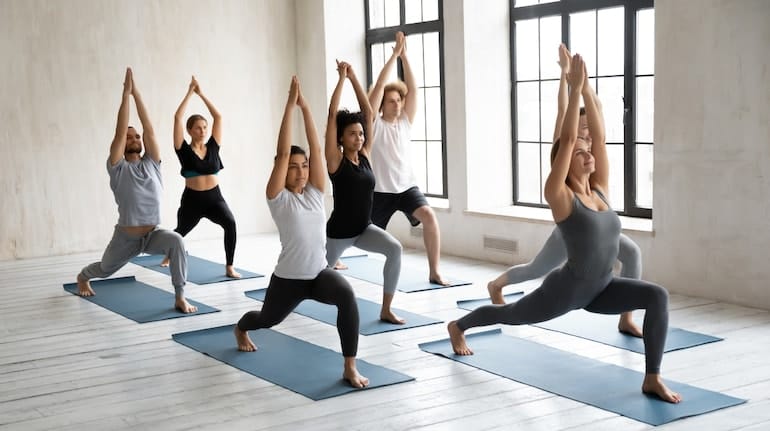
4. Yoga for mood balance
Why it helps:
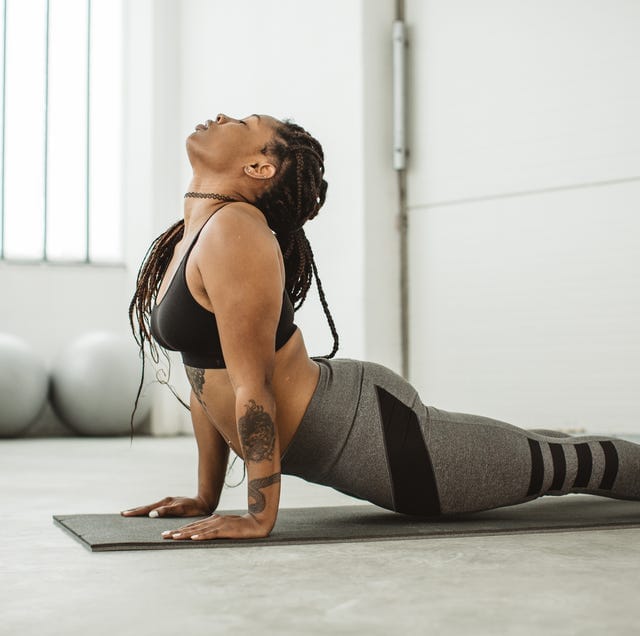
Yoga combines movement, breathing, and awareness. Many mental health professionals in the U.S. recommend gentle yoga for depression.
Beginner poses:
- Child’s Pose
- Cat-Cow Stretch
- Seated Forward Bend
- Legs Up the Wall
Practice for 10–20 minutes.
Why it works quickly:
Yoga helps slow racing thoughts and improves emotional balance.
5. Dancing: Fast emotional release
Why it helps:
Dancing releases emotion and increases dopamine, the motivation chemical.
How to do it:
- Play your favorite song
- Move however your body wants
- Dance for 5–15 minutes
You do not need skill. No one is watching.
6. Chair exercises
Why it helps:
On hard days, standing may feel impossible. Chair exercises still activate muscles and blood flow.
Simple chair exercises:
- March your feet while seated
- Raise arms up and down
- Twist gently side to side
- Stretch legs forward
Do this for 5–10 minutes.
Why it works quickly:
Even small movement reminds your brain that you are active and alive.
7. Wall push-ups
Why it helps:
Strength movements build confidence and energy.
How to do it:
- Stand facing a wall
- Place hands on the wall
- Bend elbows and lean in
- Push back out
Do 10–15 reps.
Why it works quickly:
This exercise activates muscles and boosts alertness without exhausting you.
8. Outside Time + Light Movement
Why it helps:
Sunlight helps regulate mood and sleep. In the U.S., many people spend too much time indoors.
Simple idea:
- Step outside
- Stretch your arms
- Take a few deep breaths
- Walk for 5–10 minutes
Why it works quickly:
Fresh air and light can improve mood in minutes.
9. Slow body movement
Why it helps:
Depression disconnects the mind from the body. This exercise rebuilds that connection.
How to do it:
- Slowly move each body part
- Notice how it feels
- Move gently and with awareness
Spend 5 minutes focusing on your body.
Why it works quickly:
It reduces numbness and increases grounding.
10. Consistency over intensity
The goal is not perfection. The goal is movement.
In the U.S., mental health experts agree:
- Small daily exercise works better than intense workouts
- Missing a day is okay
- Starting again matters more than quitting
3. How fast exercise help depression?
Many people notice about depression:
- Less tension within 5–10 minutes
- Improved mood within 20–30 minutes
- Better sleep the same day
Long-term benefits come with regular practice, but short-term relief is real.
4. When exercise is not enough
Exercise helps, but it is not a replacement for professional care.
Consider reaching out if:
- Depression lasts more than 2 weeks
- You feel hopeless most days
- You struggle to function
- You have thoughts of harming yourself
In the U.S., help is available through doctors, therapists, and mental health hotlines.
5. Conclusions
Depression can make everyday life tough and exhausting, but small steps can still help. Simple exercise is one of those steps. You do not need a gym, special clothes, or a long workout. Even a short walk, gentle stretching, or a few deep breaths can help your mind and body feel a little better. These small movements can lower stress, lift your mood, and give you a sense of control when things feel overwhelming.
Exercise is not a cure for depression, but it can be a helpful tool along with rest, support, and professional care when needed.
6. Medical Disclaimer
This information is only for educational knowledge purpose. It is not a substitute for medical advice, diagnosis, or treatment. Always consult a doctor or qualified healthcare professional for any health concerns.
Frequently Asked Questions
1. Can exercise really help with depression?
Yes, exercise can help reduce symptoms like low mood, stress, and tiredness. It is not a cure, but it can make you feel better.
2. How much exercise do some one need?
Even 5–10 minutes of gentle movement can help. You do not need long or hard workouts.
3. What if I have no energy to exercise?
Start with little . Try stretching, deep breathing, or a short walk. Any movement is better than none.
4. Do I need a gym or equipment?
No. Simple exercises at home or outside are enough.
5. How fast will I feel better?
Some people feel better within minutes, while others need more time. Everyone is different.
6. Is exercise enough to treat depression?
Exercise helps, but some people also need therapy, medication, or professional support.
7. What if exercise feels too hard?
Go at your own pace. Listen to your body and do what feels comfortable.

Hi, I’m Shishpa, founder of Healthfacts.in. I am a passionate health blogger focused on Mental wellness, Diabetes care, Weight management, and natural remedies. My goal is to provide easy, research-based and practical health advice that anyone can follow at home.