
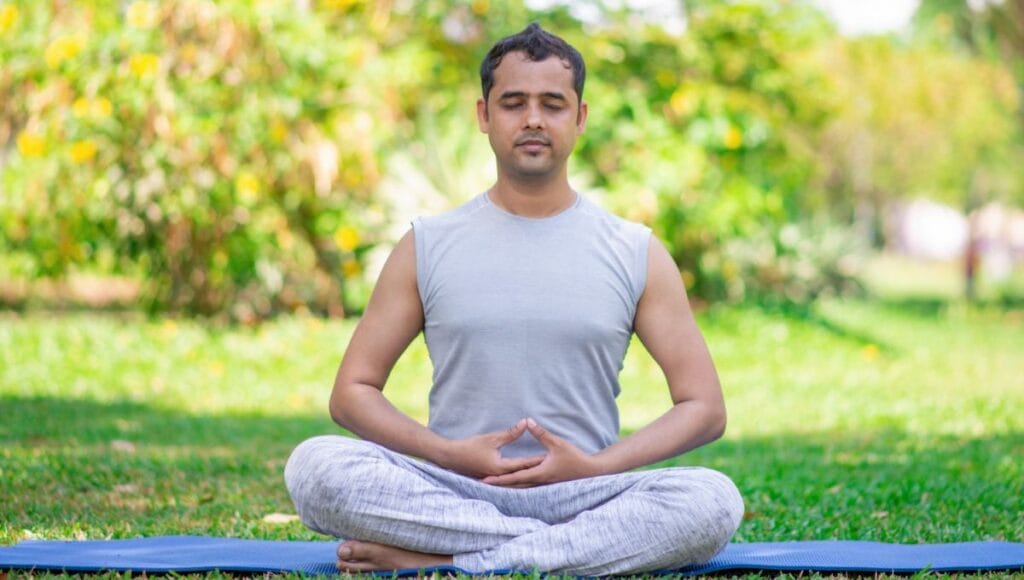
Reduce Depression without medicines cure naturally by simple way
- Depression can feel like a deep weight on your mind and body.
- Simple tasks can feel exhausting. Waking up and starting the day may feel overwhelming.
- Smiling can feel forced. At times, you may feel low or drained without knowing the reason.
- If you want to feel better without medicine, you are not alone. Many people in the United States want simple, natural ways to improve their mood.
- Medicine helps many people, and that is okay. But small daily habits can also help a lot. Think of them like small steps. Small steps taken every day can slowly make you feel stronger.
- Now let’s look at some easy ways to start feeling better.
1. Reduce Depression without medicines
1. Start with small morning wins
- Mornings are often the hardest part of the day.
- Instead of trying to fix your whole life, start tiny.
Try this within 10 minutes of waking up:
- Make your bed
- Brush your teeth
- Open the curtains
- Drink a glass of water
Why does this matter?
- Small actions create small victories
- Small victories build momentum
- Momentum reduces mental heaviness
It is like pushing a car. The first push is hard. But once it moves, it gets easier.
2. Get natural sunlight every day
- Sunlight directly affects your brain chemicals.
- In many U.S. states , specially during winter people stay indoors too much. Less sunlight can lower serotonin levels, which impacts mood.
Simple ways to get sunlight:
- Sit outside with your morning coffee
- Take a 15-minute walk
- Open blinds and windows
- Park farther away and walk
Even 10–20 minutes daily can help regulate:
- Sleep
- Energy
- Mood
Your brain needs light just like plants do.
3. Move your body
- When you hear “exercise,” you may think gym, sweat, and exhaustion. That feels overwhelming when you are depressed.
- So change the word.
- Think: movement.
Easy movement ideas:
- Walk around your block
- Stretch for 5–10 minutes
- Dance to one song
- Do light yoga at home
- Clean one small area
Benefits of light movement:
- Releases endorphins (natural mood boosters)
- Reduces stress hormones
- Improves sleep
- Increases energy over time
You don’t need intense workouts. You need consistency.
4. Improve your sleep routine
- Depression and poor sleep feed each other.
You might:
- Sleep too much
- Struggle to fall asleep
- Wake up tired
- Stay up late scrolling
Try these simple sleep habits:
- Go to bed at the same time nightly
- Wake up at the same time daily
- Stop screens 30–60 minutes before bed
- Keep your bedroom dark and cool
- Avoid heavy meals late at night
Sleep is like charging your phone. If the charge is weak, everything runs poorly the next day.
5. Eat balanced, steady meals
- Food affects mood more than most people realize.
- Highly processed foods, sugary drinks, and fast food (very common in the U.S.) can cause energy crashes that worsen depression.
- You do not need a perfect diet. Just aim for balance.
Focus on adding:
- Vegetables and fruits
- Lean protein (chicken, eggs, beans, fish)
- Whole grains
- Nuts and seeds
- More water
Reduce when possible:
- Sugary snacks
- Soda
- Excess alcohol
- Ultra-processed fast food
Think of food as fuel for your brain, not just your body.
6. Stay connected
- Depression pushes you to isolate.
It says:
- “Stay home.”
- “Don’t bother anyone.”
- “No one cares.”
But connection is powerful.
Simple connection ideas:
- Text one friend
- Call a family member
- Meet someone for coffee
- Attend a local church or community group
- Join a hobby class
You do not even have to talk about depression. Just being around others helps regulate your nervous system.
If personal support feels hard, therapy is widely available in the U.S., including online options.
7. Limit social media and news
- Too much scrolling increases comparison and anxiety.
You may notice:
- Feeling worse after social media
- Comparing your life to others
- Feeling overwhelmed by negative news
Try these limits:
- No phone for 30 minutes after waking
- Set daily screen time limits
- Unfollow accounts that trigger negativity
- Avoid doom-scrolling before bed
Your brain needs peace, not constant noise.
8. Practice simple breathing exercises
When you are depressed, your body often feels tense or heavy.
Slow breathing calms your nervous system.
Try this 3-minute exercise:
- Inhale for 4 seconds
- Hold for 4 seconds
- Exhale for 6 seconds
- Repeat 5–10 times
Benefits:
- Reduces stress
- Slows racing thoughts
- Improves emotional control
It is free. It is simple. It works.
9. Set one tiny goal per day
Depression makes everything feel overwhelming.
Shrink your goals.
Tiny progress builds confidence.
Ask each morning:
“What is one small thing I can finish today?”
10. Spend time in nature
Nature reduces stress naturally.
Across the U.S., most cities have:
- Public parks
- Walking trails
- Lakes
- Community gardens
Even sitting outside and watching trees move in the wind helps calm the brain.
Nature reminds us:
Seasons change. Dark days pass.
11. Journal your thoughts
Writing helps release emotional pressure.
You do not need perfect writing. Just honesty.
Start with prompts like:
- “Today I feel…”
- “What’s bothering me most is…”
- “One thing I’m grateful for…”
Journaling helps you:
- Process emotions
- Identify patterns
- Reduce mental clutter
Think of it as cleaning your mental room.
12. Reduce alcohol and substance use
Alcohol is common in American social life, but it is a depressant.
It may feel relaxing at first. Later, it often:
- Lowers mood
- Disrupts sleep
- Increases anxiety
If you notice drinking more when feeling low, try cutting back. Many people see improvement quickly.
13. Volunteer or help Someone
- Depression makes your world feel small.
- Helping others expands it.
Ideas:
- Volunteer at a food bank
- Help a neighbor
- Support a local shelter
- Mentor a student
- Donate unused items
Helping others increases:
- Purpose
- Self-worth
- Connection
Purpose is powerful medicine.
14. Challenge negative thoughts
Depression often brings harsh thoughts:
- “I’m not good enough.”
- “Nothing will change.”
- “I always fail.”
Remember:
Thoughts are not facts.
When a negative thought appears, ask:
- Is this completely true?
- What evidence supports it?
- What would I tell a friend thinking this?
This weakens depression’s control over your thinking.
15. Seek professional help if needed
Lifestyle changes help, but sometimes you need more support.
In the United States:
- You can call lifeline
- It is free and confidential
- Available 24/7
Consider professional help if:
- Symptoms last more than 2 weeks
- You lose interest in everything
- You feel hopeless daily
- You have thoughts of self-harm
Seeking help is strength, not weakness.

2. Final Thoughts
Reducing depression without medicines is possible for many people, specially in mild to moderate cases ,but it requires steady, small daily action.
Think of it like planting seeds.
- You water them daily.
- You do not see growth overnight.
- But slowly, roots form.
Sunlight.
Movement.
Connection.
Sleep.
Nutrition.
Small goals.
Each step may feel tiny but together, they build resilience.
You are not broken. You are not weak. You are strong.
3. Medical Disclaimer
This information is only for educational knowledge purpose. It is not a substitute for medical advice, diagnosis, or treatment. Always consult a doctor or qualified healthcare professional for any health concerns.
FAQs
1. Can depression fully go away without medication?
No, mild to moderate depression can improve with lifestyle changes, therapy, and support. Severe depression may require medical treatment.
2. How long does natural recovery take?
Many people notice small improvements within a few weeks. Consistency is key.
3. Is walking really enough to help?
No, but 10–20 minutes of daily walking can improve mood and reduce stress.
4. What if I have no motivation at all?
Start extremely small. Action often creates motivation not the other way around.
5. When should I seek immediate help?
If you have thoughts of harming yourself or feel unsafe, at that time seek help immediately. You deserve support.

Hi, I’m Shishpa, founder of Healthfacts.in. I am a passionate health blogger focused on Mental wellness, Diabetes care, Weight management, and natural remedies. My goal is to provide easy, research-based and practical health advice that anyone can follow at home.