

Influenza H5N1 symptoms most people ignore: Early warning signs you should never miss
- Influenza H5N1, commonly known as bird flu, is a rare but dangerous viral infection that many people fail to recognize in its early stages.
- The early influenza H5N1 symptoms are often mild and easy to ignore, such as low-grade fever, fatigue, body aches, or a mild cough.
- These signs look similar to seasonal flu or common illness, people delay seeking medical care.
- This delay can be risky, as H5N1 can progress quickly and cause severe respiratory problems.
- Understanding the influenza H5N1 symptoms most people ignore is essential for early detection, timely treatment, and preventing serious complications.
1. What is Influenza H5N1
👉Understanding H5N1 Bird Flu
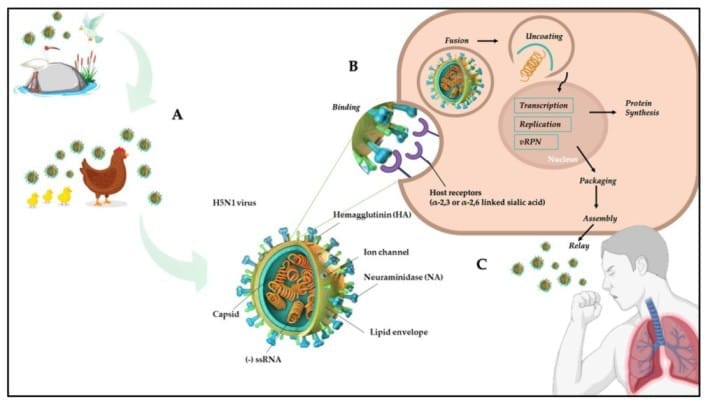
Influenza H5N1 is a type of influenza virus that mainly affects birds. However, in rare cases, it can spread to humans. When it does, it can cause severe illness and even be life-threatening.
Unlike seasonal flu, H5N1 is more aggressive.
👉How H5N1 spreads to Humans
Humans usually get infected through:
- Close contact with infected birds
- Handling raw poultry
- Exposure to bird droppings or contaminated surfaces
Human to human spread is rare, but the symptoms in humans can escalate fast.
2. Why H5N1 symptoms are often missed
👉Symptoms that look like a Common Flu
Early H5N1 symptoms do not scream “emergency.” They whisper. Most people assume:
- “It’s just the flu.”
- “I’ll sleep it off.”
- “Probably stress or weather.”
That delay can cost precious time.
👉Misleading mild early Signs
H5N1 does not always start with a high fever or severe breathing trouble. Sometimes, it begins with subtle discomfort that feels easy to ignore.

3. Early Influenza H5N1 symptoms most people ignore
1. Common symptoms mild to severe
👉Low-grade fever that comes and goes
Not every fever is normal. A mild fever that comes and go is often brushed off but with H5N1, this pattern matters.
👉Persistent fatigue and weakness
Feeling tired even after rest is one of the most ignored symptoms. People push through work, caffeine, and responsibilities, assuming it is burnout.
In H5N1, fatigue can signal your immune system is under serious attack.
👉Mild sore throat or hoarseness
A scratchy throat or voice change does not seem alarming, but when it lingers or worsens, it could be an early respiratory sign.
👉Muscle aches without a clear cause
Body aches without exercise, injury, or known illness are another quiet symptom. It is your body reacting to viral inflammation.
2. Respiratory Symptoms That Start Small
👉Occasional dry cough
A dry cough that shows up now and then does not raise alarms. Many people blame dust, cold air, or allergies.
In H5N1 case, this cough may slowly become more frequent and intense.
👉Shortness of breath during light activity
Getting winded while walking, climbing stairs, or doing simple tasks is a big red flag. Many people assume they are “out of shape.”
👉Why breathing changes matter early
H5N1 targets the lungs. Early breathing issues can quickly progress to severe pneumonia if ignored.
3. Digestive symptoms don’t connect to H5N1
👉Nausea and Vomiting
Stomach symptoms do not usually get linked to flu , but H5N1 can affect more than just the respiratory system.
👉Diarrhea and stomach pain
Digestive issues may appear before breathing problems. That is why many cases are misjudged early on.
4. Eye and neurological symptoms people overlook
👉Red or watery Eyes
Eye irritation may seem harmless, but in some cases, it is an early viral sign specially after contact with birds.
👉Headaches and mental fog
Difficulty concentrating, pressure headaches, or confusion should not be ignored when paired with other symptoms.
4. How H5N1 symptoms worsen if ignored
👉Rapid worsening of Breathing
Breathing problems may start slowly, such as feeling slightly short of breath while walking or doing light activities. Many people ignore this at first.
However, with H5N1, this mild breathlessness can worsen very quickly. Within a few days, breathing can become difficult and painful, even while resting. This is a serious warning sign and needs immediate medical attention.
👉Risk of Pneumonia and organ failure
Untreated H5N1 can lead to:
- Severe pneumonia
- Acute respiratory failure
- Damage to other organs
This is why early action matters.
5. When to seek Medical Help Immediately
👉Emergency warning signs
- High fever that not go down
- Difficulty breathing
- Chest pain
- Bluish lips or face
- Confusion or extreme weakness
👉What to tell your doctor
Always mention:
- Contact with birds
- Travel history
- Exposure to poultry farms or markets
6. How Influenza H5N1 is diagnosed
👉Lab Tests and Imaging
Doctors may use:
- Nasal or throat swabs
- Blood tests
- Chest X-rays or CT scans
In details :
· RT-PCR Test (Reverse Transcription Polymerase Chain Reaction)– main test to confirm H5N1
· Influenza A Subtyping Test– identifies H5N1 strain
· Viral Culture Test– grows the virus in a lab (less common)
· Rapid Influenza Diagnostic Test (RIDT)– initial screening (not fully reliable for H5N1)
· Blood Tests (CBC)– checks infection and immune response
· Chest X-ray– looks for pneumonia
· Chest CT Scan– detailed lung imaging in severe cases
👉Why early testing saves lives
Early diagnosis allows antiviral treatment to work more effectively.
7. Prevention tips to reduce H5N1 risk
👉Everyday safety habits
- Avoid contact with sick or dead birds
- Wash hands frequently
- Use protective gear when handling poultry
👉Food and hygiene precautions
- Cook poultry thoroughly
- Avoid raw eggs
- Keep kitchen surfaces clean
8. Conclusions
Influenza H5N1 is a serious illness that often starts with mild symptoms many people ignore. Early signs like fatigue, low fever, or slight breathing discomfort may seem harmless, but they can worsen quickly without treatment. By Recognizing early warning signs and seeking medical help on time can prevent severe complications and save lives. Paying attention to your body, especially after contact with birds or poultry, is very important. Early awareness and timely care are the best protection against H5N1.
9. Medical Disclaimer
This information is only for educational knowledge purpose. It is not a substitute for medical advice, diagnosis, or treatment. Always consult a doctor or qualified healthcare professional for any health concerns.
FAQs
1. Can H5N1 start with mild symptoms only?
Yes, Many cases begin with mild fever, fatigue, or sore throat before worsening.
2. Is H5N1 contagious between humans?
Human to human transmission is rare but possible in close contact situations.
3. How long after exposure do symptoms appear?
Symptoms usually appear within 2–8 days after exposure.
4. Can stomach symptoms really be linked to H5N1?
Yes, Nausea, vomiting, and diarrhea can occur, specially early .
5. Should I worry if I work around birds?
Yes, If you develop flu like symptoms, seek medical advice immediately .

Hi, I’m Shishpa, founder of Healthfacts.in. I am a passionate health blogger focused on Mental wellness, Diabetes care, Weight management, and natural remedies. My goal is to provide easy, research-based and practical health advice that anyone can follow at home.