
Early signs of Diabetes most Americans ignore
- Diabetes often starts quietly. It does not cause strong pain or sudden problems.
- Instead, it shows up as small changes that are easy to ignore. That’s why many people miss the early signs.
- In the U.S., people are used to feeling tired and stressed. They think it is normal. They blame work, age, or lack of sleep but sometimes, these small changes are warning signs.
- Noticing these signs early can help you stay healthy and get help before problems get worse.
1. Why Diabetes often goes undetected
Nowadays life is very busy. Peoples are engage in work, family, phones, and stress in every day due to this, they don’t always notice small changes in their bodies.
Early signs of diabetes feel normal, such as:
- Feeling tired
- Feeling very thirsty
- Going to the bathroom more often
- Gaining or losing some weight
Since these signs do not seem serious, many people ignore them. They think it is just stress or fatigue. As a result, diabetes can go unnoticed for months or even years.
2. What is Diabetes?
- Diabetes is a long-term health condition that affects how your body uses glucose for energy.
- Normally, when we eat food, our body turns it into glucose. A hormone called insulin helps to transfer this glucose from our blood into our cells, where it is used as fuel.
- In diabetes, this process does not work properly.
- Either our body does not make enough insulin
- Or it cannot use insulin properly
- Or both
- As a result, too much glucose holds in the blood, instead of going into the cells. further, the high blood glucose level in blood can damage the heart, kidneys, eyes, nerves, and other organs.
In Simple
Think insulin as a key and our cells as locked doors.
- Insulin = key
- Cells = doors
- Sugar = energy
In diabetes, the key is missing or broken. So sugar can not enter the cells. The energy stays stuck in the blood, and our body feels tired and unwell.
3. Types of Diabetes
1. Type 1 Diabetes
The body does not make insulin at all. It usually starts in childhood or young age.
2. Type 2 Diabetes
The body makes insulin, but does not use it properly. This is the most common type and often develops in adults.
3. Prediabetes
Blood sugar is higher than normal but not high enough to be diabetes. This stage is a warning sign and can often be reversed.
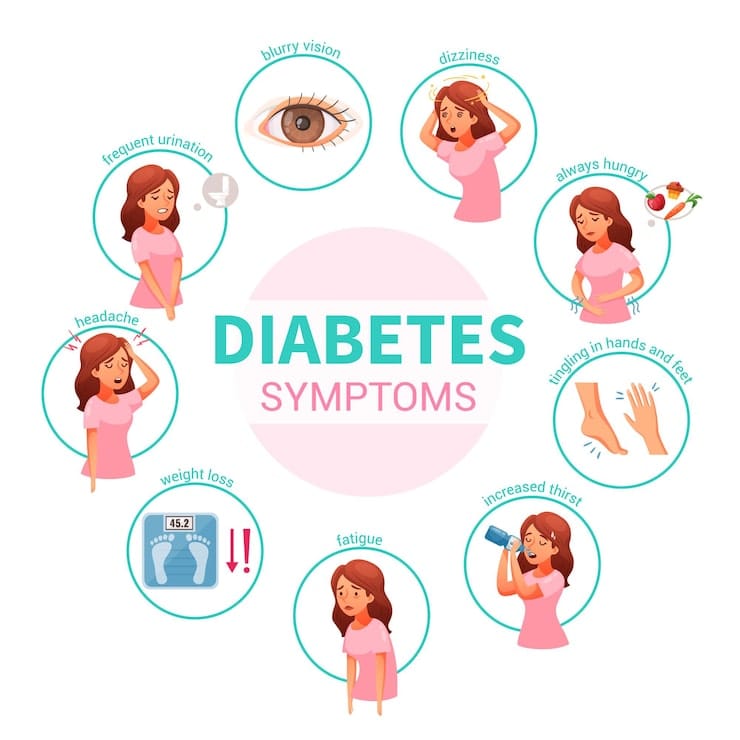
4. Early signs of Diabetes most people ignore
Signs # 1 : Constant fatigue that does not go away
- Feeling tired sometimes is normal but feeling exhausted every day, even after proper sleep, is not good.
- When blood sugar raise high, our body can not use energy properly. It is like having food but no energy. we may feel weak, lazy, and mentally slow.
- Many people think this is just stress or work pressure and ignore it.
Signs # 2 :Frequent Urination
- Going to the bathroom more often ,specially at night , can be an early sign of diabetes.
- High blood sugar makes your kidneys work harder to remove extra sugar through urine. This causes you to pee more and lose fluids.
- Waking up several times at night to urinate is an early signs many people overlook.
Signs # 3 :Excessive Thirst
- Drinking water is good, but feeling thirsty all the time is different.
- Because your body loses more water through frequent urination, it keeps asking for more fluids. No matter how much you drink, the thirst does not go away.
- People often think they are just dehydrated or drinking too much tea or coffee.
Signs # 4 : Increased Hunger
- Increased hunger is a common but overlooked symptom of diabetes.
- When blood sugar stays high, the body can not use glucose properly for energy. As a result, cells feel starved, sending constant hunger signals.
- This can lead to frequent eating, weight changes, and poor blood sugar control.
Signs # 5 :Unexpected Weight Changes
Sudden weight loss or weight gain without trying can be a warning sign.
- Weight loss happens when the body starts using muscle and fat for energy
- Weight gain can happen due to insulin problems and overeating
If your weight changes without a clear reason, don’t ignore it.
Signs # 6 : Blurry Vision
- Blurry vision that comes and goes can be an early sign of high blood sugar.
- When blood sugar is high, extra sugar pulls fluid from your eyes and changes how they focus.
- This can make things look unclear for short periods.
- Many people blame screen time or aging and never think to get their blood sugar checked.
Signs # 7 :Slow-Healing Cuts and Wounds
- Small cuts or wounds that heal very slowly can be an early red flag of diabetes.
- When blood sugar stays high, it damages blood vessels and slows down blood flow. This means oxygen and nutrients take longer to reach the injured area.
- At the same time, the immune system becomes weaker, making it harder for the body to fight infections.
- Even small cuts, scratches, or blisters may take much longer than normal to heal, specially on the feet and legs.
Signs # 8 :Tingling or Numbness in Hands and Feet
- Tingling or numbness in the hands and feet is another sign many people ignore. It often starts as a mild pins-and-needles feeling that comes and goes.
- Further, high blood sugar can damage nerves, leading to burning, tingling, or loss of feeling.
- Many people blame bad posture or poor circulation, but it may be a sign of nerve damage linked to diabetes.
Signs # 9 :Frequent Infections
- Getting infections often can be an early sign of diabetes.
- High blood sugar creates a perfect environment for bacteria and yeast to grow.
- This can lead to frequent skin, gum, urinary, or yeast infections.
- Infections may also take longer to heal than usual.
Signs # 10 :Mood Changes and Brain Fog
- Mood changes and brain fog can be early signs of blood sugar problems.
- When blood sugar rises and falls, the brain doesn’t get steady energy.
- This can cause poor focus, forgetfulness, irritability, or feeling low.
- Many people blame stress or lack of sleep, but unstable blood sugar may be the real reason.
5. Why catching Diabetes early matters
- Ignoring early warning signs of diabetes can lead to serious, life-changing problems over time.
- High blood sugar damages :-
- blood vessels and organs,
- increasing the risk of heart disease, stroke,
- kidney damage, vision loss
- nerve damage.
- The good news is that early diagnosis and timely action can slow the disease, protect your health, and even prevent many of these complications before they start.
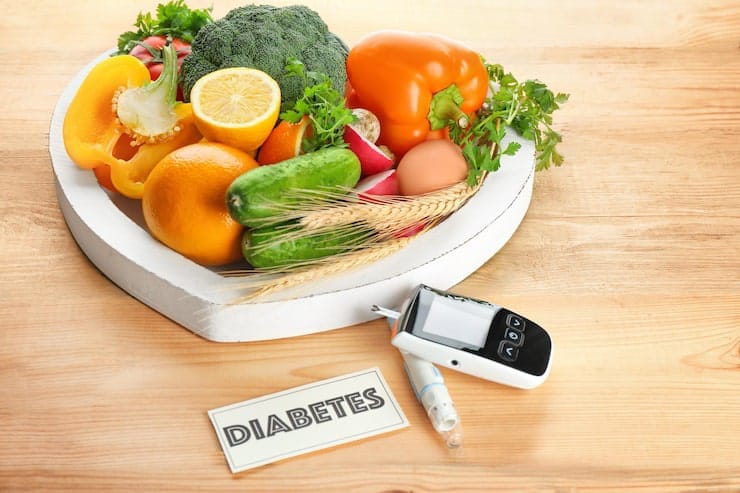
6. Lifestyle changes that help early Diabetes
Small changes can make a big difference:
- Eat balanced meals
- Cut back on sugary drinks
- Move your body daily
- Manage stress
- Get quality sleep
You do not need perfection, just consistency.
7. Conclusion
Diabetes often develops slowly and quietly, with early signs that are easy to ignore or blame on daily life. Small changes in your body may not seem serious at first, but they matter. Paying attention early can help you catch diabetes before it causes harm. Early action gives you more control, protects your health, and helps prevent serious long-term problems.
Frequently Asked Questions
1. Can diabetes really start without obvious symptoms?
Yes, Many people have diabetes for years before clear symptoms appear.
2. Is constant tiredness always a sign of diabetes?
Not always, but when paired with other symptoms, the it may be a sign.
3. Can young adults get diabetes?
Absolutely, Diabetes affects people of all ages.
4. Do I need to be overweight to have diabetes?
No, Weight is a risk factor, but not a requirement.
5. Can early diabetes be reversed?
In many cases, early action can greatly improve or even reverse prediabetes.

Hi, I’m Shishpa, founder of Healthfacts.in. I am a passionate health blogger focused on Mental wellness, Diabetes care, Weight management, and natural remedies. My goal is to provide easy, research-based and practical health advice that anyone can follow at home.