

“Early signs of Anxiety disorder no one talk about”
- Anxiety disorder is a global mental health problem affecting millions of people worldwide, including the United States.
- It impacts daily life, work, relationships, and overall well-being. Anxiety disorder does not start suddenly. It grows slowly, often hiding behind stress, tiredness, or daily worries.
- Many people ignore the early signs because they look “normal.” But when these signs stay for weeks or months, they should not be ignored.
- Early awareness, proper support, and timely treatment can help manage anxiety and improve condition.
1. Understanding Anxiety Disorders
👉What is anxiety disorder?
- Anxiety disorder is a mental health condition where a person feels too much fear, worry, or nervousness most of the time, even when there is no real danger.
- Everyone feels anxious sometimes, but in an anxiety disorder, the fear does not go away easily and starts affecting daily life, work, sleep, and relationships.
- Anxiety disorder is treatable. People can feel better and live a normal, peaceful life with the right support, care & treatment .
👉Normal Anxiety vs anxiety disorder
Normal anxiety is a natural feeling. It happens when you face stress, danger, or something important, like an exam or a job interview. It comes and goes and usually stops when the situation is over.
Anxiety disorder is different. The fear and worry stay for a long time, even when there is no real problem. It feels stronger and starts affecting daily life, sleep, work, and relationships.
In short:
- Normal anxiety is temporary and manageable
- Anxiety disorder is ongoing and hard to control
- Normal anxiety helps you stay alert
- Anxiety disorder makes life difficult
If anxiety controls your thoughts and actions, it may be an anxiety disorder and needs attention.
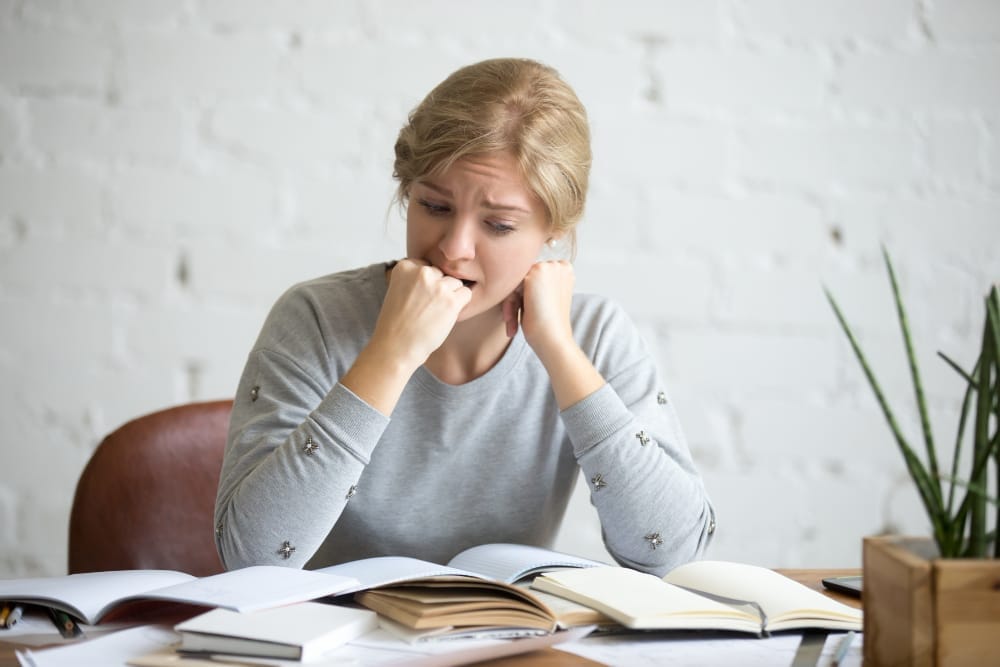
“Early Signs of Anxiety Disorder“
Sign #1 : Constant worry that never stops
This is one of the strongest and earliest signs of anxiety disorder.
👉You may:
- Worry all day, every day
- Worry about small things more than necessary
- Worry even when everything seems fine
👉Your mind keeps asking:
- “What if something bad happens?”
- “What if I fail?”
- “What if people judge me?”
This worry feels out of control. Even when you tell yourself to stop, your mind does not listen. It feels like your brain is stuck in fear mode.
Sign #2 : Feeling nervous, restless, or on edge all the time
Anxiety makes your body feel like danger is near, even when it is not.
👉You may feel:
- Restless and unable to relax
- Shaky inside
- Alert all the time
👉It may feel like:
- Something bad is about to happen
- You cannot sit still peacefully
This constant nervous feeling is exhausting and affects both mind and body.
Sign #3 : Fast heartbeat, chest tightness, or palpitations
Anxiety strongly affects the body.
👉Common signs include:
- Heart beating fast or pounding
- Chest feeling tight or heavy
- Sudden fear that something is wrong with your heart
These symptoms happen because anxiety activates the fight-or-flight response. The body thinks it needs to protect itself, even when there is no danger.
Many people with anxiety visit doctors thinking they have heart problems.
Sign #4 : Trouble concentrating or overthinking everything
Anxiety fills the mind with thoughts, leaving no space for focus.
👉You may:
- Forget things easily
- Read the same line again and again
- Feel mentally tired
👉At the same time, anxiety causes overthinking:
- Replaying past mistakes
- Imagining worst-case situations
- Analyzing every word you said
Your brain never gets a break.
Sign #5 : Sleep problems and night anxiety
Sleep problems are a very common early sign of anxiety disorder.
👉You may:
- Take a long time to fall asleep
- Wake up many times at night
- Wake up tired even after sleeping
👉At night:
- Worries become louder
- Thoughts race more
- Fear feels stronger
Some people even wake up suddenly with fear, sweating, or a racing heart.
Sign #6 : Irritability, anger, and emotional sensitivity
Anxiety puts your emotions under pressure.
👉You may notice:
- Getting angry over small things
- Feeling impatient or frustrated
- Crying easily
You may react strongly to situations that normally wouldn’t bother you. This happens because anxiety keeps your nervous system overstimulated.
Sign #7 : Avoiding people, places, or situations
Avoidance is a hidden but serious sign of anxiety.
👉You may:
- Avoid social gatherings
- Avoid phone calls or meetings
- Avoid going outside
👉You may think:
- “It’s easier to stay away”
- “I don’t want to feel anxious”
Avoidance gives short-term relief, but it makes anxiety stronger over time.
Sign #8 :Physical symptoms without a clear medical reason
Anxiety often shows up as physical pain.
👉Common symptoms include:
- Headaches
- Stomach pain, nausea, or diarrhea
- Muscle tension
- Dizziness
- Sweating or shaking
Medical tests may show nothing wrong, but the pain feels real. This is because anxiety affects the nervous system and muscles.
Sign #9 : Constant need for reassurance and self-doubt
Anxiety weakens confidence.
👉You may:
- Ask others for reassurance again and again
- Doubt your own decisions
- Feel calm only after someone confirms things
👉You may think:
- “What if I’m wrong?”
- “What if I mess up?”
This constant reassurance-seeking is a sign that anxiety is controlling your thoughts.
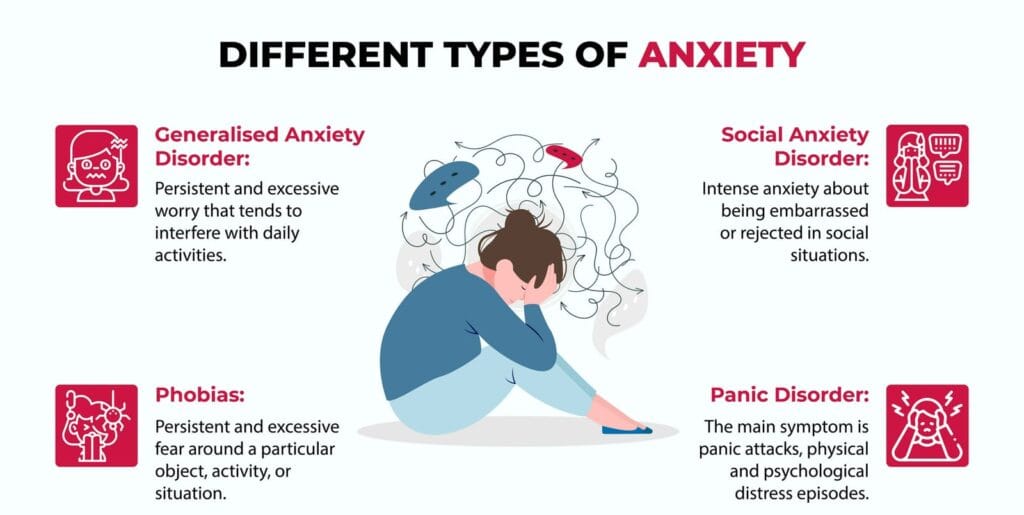
2. How Anxiety Affects Daily Life
👉Work and productivity issues
Anxiety can reduce focus, creativity, and confidence at work, leading to poor performance or burnout.
👉Relationship struggles
Anxiety can cause misunderstandings, emotional distance, or constant need for validation in relationships.
3. When to Seek Help
👉When Talk to a Professional
If anxiety interferes with daily life, lasts for months, or feels overwhelming, it’s time to seek help.
👉Getting support without shame
Seeking help is not weakness. It’s a strong step toward better mental health and balance.
4. Simple steps to manage early anxiety
👉Lifestyle changes that help
Regular exercise, balanced meals, limited caffeine, and enough sleep can calm your nervous system.
👉Small daily habits for calm
Deep breathing, mindfulness, journaling, and short breaks can reduce anxiety over time.
5. Conclusion
Anxiety disorder often starts slowly. It gives small signs before becoming serious. These 9 early signs are messages from your mind and body asking for attention. Ignoring them can make anxiety worse over time. The good news is that anxiety can be treated. Early awareness, simple lifestyle changes, therapy, and support can help you feel better sooner.
6. Medical Disclaimer
This information is only for educational purpose. It is not a substitute for medical advice, diagnosis, or treatment. Always consult a doctor or qualified healthcare professional for any health concerns.
FAQs
1. Can anxiety go away on its own?
Mild anxiety may improve, but ongoing anxiety often needs active management or professional support.
2. Is anxiety a mental illness?
Anxiety disorders are mental health conditions, but they are common and highly treatable.
3. Can anxiety cause physical pain?
Yes, anxiety can cause headaches, stomach issues, muscle pain, and fatigue.
4. What triggers anxiety disorders?
Stress, trauma, genetics, lifestyle habits, and health conditions can all contribute.
5. Is medication always needed for anxiety?
Not always. Therapy, lifestyle changes, and coping skills often help, depending on severity.

Hi, I’m Shishpa, founder of Healthfacts.in. I am a passionate health blogger focused on Mental wellness, Diabetes care, Weight management, and natural remedies. My goal is to provide easy, research-based and practical health advice that anyone can follow at home.