

“Best Breakfast for Type 2 Diabetes : Control naturally“
- Breakfast is one of the most important meals of the day, specially for people with type 2 diabetes. What you eat in the morning can affect your blood sugar levels for the rest of the day.
- A healthy breakfast plays a crucial role to prevent sudden sugar spikes, improves energy, and supports better diabetes control.
- When we take it wrong, we may spend the rest of the day chasing highs and lows.
- we can control blood sugar naturally and feel better every day with the right food choices.
- The good news is that we do not need expensive or complicated foods. Let’s break it down in a simple, real-life way – no complicated charts, no boring lectures.
1. Why Breakfast Is Important for Type 2 Diabetes
👉 Morning Blood Sugar and Insulin Response
- After sleeping all night , our body needs energy in morning .
- When we wake up,in morning our body releases hormones like cortisol and glucagon. These hormones naturally raise blood sugar to give us energy.
- For people with type 2 diabetes, this effect can be stronger. A smart breakfast helps counter this rise by improving insulin response and keeping glucose levels stable.
- Skipping breakfast or eating the unhealthy foods can cause blood sugar to rise too high or drops too low in rest of the day.
- A balanced breakfast manage and helps to:–
- Keep blood sugar level stable
- Improve insulin sensitivity in body
- Reduce cravings and overeating
- Support weight management
- Improve focus and energy level
People with type 2 diabetes, eat a healthy breakfast – have better blood sugar control throughout the day.
👉 Skipping Breakfast affects Diabetes
- Skipping breakfast might sound like a shortcut to control sugar, but it often backfires.
- It can lead to:
- Higher blood sugar later in the day
- Increased cravings
- Overeating at lunch
- Poor insulin sensitivity
2. What is a Diabetes-friendly breakfast
👉 Balance of Carbs, Protein, and Healthy Fats
The magic formula is balance.
- Carbs give energy
- Protein keeps you full
- Healthy fats slow sugar absorption
When we eat together, they prevent sudden sugar ups and down.
👉 Glycemic Index and Glycemic load explained
Foods with a low glycemic index (GI) raise blood sugar slowly. A diabetes-friendly breakfast focuses on low GI foods in controlled portions.
👉 Why Fiber Is a Game Changer
Fiber is like a traffic cop for sugar—it slows down digestion and glucose absorption. High-fiber breakfasts help:
- Reduce sugar spikes
- Improve gut health
- Keep you full longer
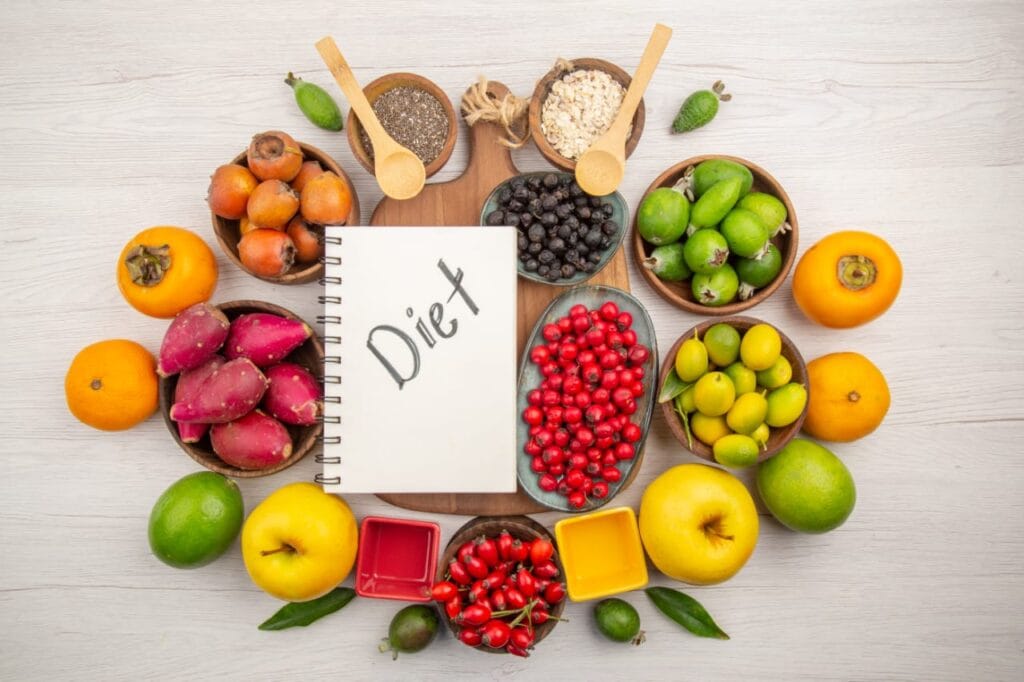
3. Best Breakfast Foods for Type 2 Diabetes
👉 Eggs – A Protein Powerhouse
Eggs are one of the best breakfast choices for people with diabetes because they are high in protein, low in carbohydrates, and help keep blood sugar levels stable. They are:
- Low in carbs
- High in protein
- Very filling
Whether boiled, scrambled, or made into a vegetable omelet, eggs help maintain steady blood sugar levels and keep you feeling full energenic.
👉 Oatmeal – The Right Way
Oatmeal is good for health, but sugary instant oats can raise blood sugar quickly. Choose:
- Steel-cut or rolled oats
- Add nuts, seeds, or cinnamon
- Avoid sugar and flavored packets
Oats are rich in soluble fiber, which helps control glucose.
👉 Greek Yogurt – Gut and sugar friendly
Plain, unsweetened Greek yogurt is rich in protein with good bacteria. It helps digestion and keeps blood sugar steady. Add berries or chia seeds for extra fiber.
👉 Nuts and Seeds – Small but powerful
Almonds, walnuts, chia seeds, and flaxseeds contain healthy fats and fiber. Even a small amount helps reduce hunger and control blood sugar.
👉 Whole Grains vs Refined Grains
Whole grains break down slowly and help control blood sugar, while refined grains act like sugar. Always choose whole grains :
- Whole-grain bread
- Whole-grain tortillas
- Brown rice or quinoa
👉 Fruits That Don’t Spike Blood Sugar
Not all fruits are bad. The best choices include:
- Berries
- Apples
- Pears
- Citrus fruits
Eat fruit with protein or healthy fat to help prevent blood sugar spikes.
👉 Vegetables at breakfast
Vegetables like spinach, tomatoes, mushrooms, and bell peppers are healthy and do not raise blood sugar. Adding them to an omelet makes breakfast filling and good for diabetes.

4. Best Breakfast combinations for stable Blood sugar
👉 High-Protein Breakfast Ideas
- Eggs + avocado + whole-grain toast
- Greek yogurt + berries + nuts
- Cottage cheese + seeds
Protein keeps you full of energetic and reduces cravings.
👉 Plant-Based Breakfast Options
- Tofu scramble with vegetables
- Chia seed pudding with unsweetened almond milk
- Oats with nuts and seeds
Plant-based breakfasts can be diabetes-friendly but in balanced.
👉 Quick and easy Breakfasts for Mornings
- Boiled eggs + a handful of nuts
- Greek yogurt cup
- Smoothie with protein, fiber, and healthy fat
Fast doesn’t mean unhealthy.
5. Traditional vs Modern Breakfast
👉 Why Sugary cereals are bad
Most cereals are loaded with sugar and refined carbs. They spike blood sugar quickly and leave you hungry soon.
👉 Healthier alternatives to common Breakfast foods
Swap:
- Sugary cereal → Oats or eggs
- White bread → Whole-grain bread
- Fruit juice → Whole fruit
Small swaps make a big difference.
6. Foods to avoid at Breakfast
👉 Hidden Sugars and Refined Carbs
Avoid:
- White bread
- Pastries
- Pancakes with syrup
- Sweetened yogurt
They cause rapid blood sugar spikes.
7. Lifestyle tips to enhance Breakfast benefits
👉 Pair Breakfast with Light Activity:
A short walk after breakfast can help lower blood sugar. Even 10–15 minutes is helpful.
👉 Stay Hydrated in the Morning:
Drink water after waking up. Not drinking enough water can raise blood sugar. Avoid sugary drinks in the morning.
8. Conclusion:
The best breakfast for type 2 diabetes is not about being perfect. it is about eating healthy diet regularly . Choose whole foods, balance your plate, watch portion size. Breakfast is your daily opportunity to support stable blood sugar, better energy, and long-term health. Start simple, stay consistent, and let your mornings work for you, not against you.
9. Medical Disclaimer
This article is for educational purposes only . Always consult your doctor or a registered dietitian before making major changes to your diet, specially if you are taking diabetes medication.

Hi, I’m Shishpa, founder of Healthfacts.in. I am a passionate health blogger focused on Mental wellness, Diabetes care, Weight management, and natural remedies. My goal is to provide easy, research-based and practical health advice that anyone can follow at home.