
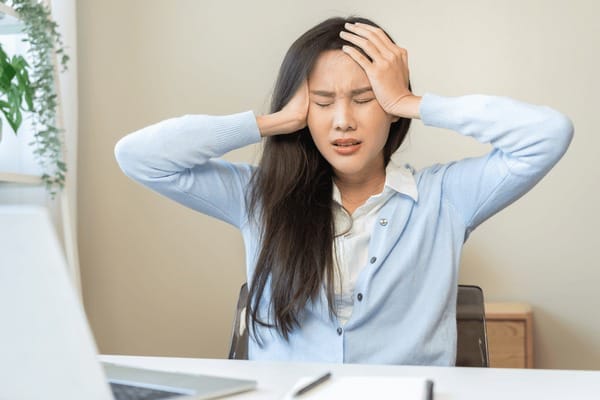
=Anxiety in Adults: Symptoms, Causes, and Effective Prevention Strategies=
1. Introduction: Anxiety in Adults
Anxiety is a widespread mental health condition that affects adults across the world. Feeling anxious at times is a normal reaction to stress, but when anxiety becomes persistent or overwhelming, it can disrupt daily routines, work performance, relationships, and overall well-being. Many people overlook the early warning signs, dismissing them as simple fatigue or everyday stress. Recognizing anxiety symptoms early and adopting effective prevention strategies plays an important role in protecting long-term mental health.
2.What Is Anxiety?
Anxiety is the body’s built-in response to perceived stress or danger. It triggers the “fight or flight” mechanism, keeping you alert and ready to react. While this response is helpful in short-term situations, frequent, intense, or constant anxiety—especially without an obvious cause—can develop into an anxiety disorder and begin to negatively affect daily life.
3. Anxiety Symptoms in adult
Anxiety is a common mental health condition that influences the way a person thinks, feels, and acts. While feeling anxious from time to time is a natural response to stress, persistent or severe anxiety can disrupt everyday life. The symptoms of anxiety can present in many different forms and may vary widely from one person to another.
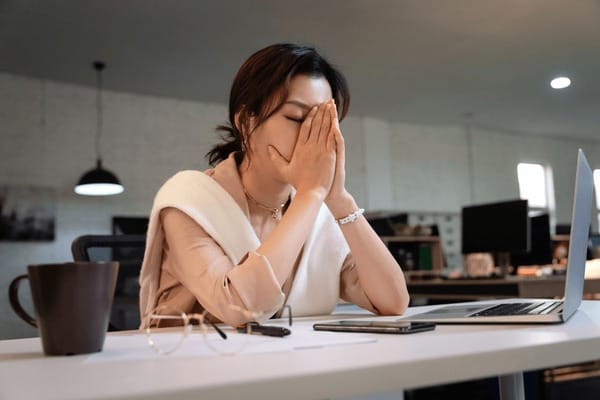
– Mental and Emotional Symptoms
- Constant worrying or fear
- Overthinking and racing thoughts
- Feeling restless or on edge
- Difficulty concentrating
- Irritability or mood swings
- Feeling overwhelmed
- Fear of losing control
- Feeling emotionally drained
– Physical Symptoms
- Rapid or irregular heartbeat
- Chest tightness or discomfort
- Shortness of breath
- Sweating or trembling
- Muscle tension or body aches
- Headaches
- Dizziness or lightheadedness
- Digestive issues such as nausea, bloating, or abdominal discomfort.
- Fatigue even after rest
– Behavioral Symptoms
- Avoiding social situations or responsibilities
- Procrastination
- Trouble sleeping or staying asleep
- Overworking or perfectionism
- Changes in appetite
- Increased use of caffeine, alcohol, or smoking
– Common but Often Ignored Symptoms
- Jaw clenching or teeth grinding
- Constant need for reassurance
- People-pleasing behavior
- Feeling numb or disconnected
- Difficulty relaxing
- Always expecting something bad to happen
4. Causes of Anxiety in Adults
Anxiety in adults can develop due to a combination of psychological, physical, and lifestyle factors. While occasional anxiety is a normal part of life, long-term or intense anxiety often has deeper underlying causes.
- Work and Career Stress :=> Heavy workloads, job insecurity, long working hours, and pressure to perform can trigger ongoing anxiety.
- Financial Problems :=> Debt, low income, rising expenses, or fear of financial instability are common causes of anxiety in adults.
- Relationship and Family Issues :=> Conflicts with partners, family responsibilities, caregiving duties, or emotional stress in relationships can increase anxiety levels.
- Past Trauma or Stressful Experiences :=> Traumatic events such as accidents, abuse, loss of a loved one, or childhood difficulties can leave lasting emotional effects that lead to anxiety.
- Health Concerns :=> Chronic illnesses, ongoing pain, hormonal imbalances, or fear of health problems can contribute to persistent anxiety.
- Poor Sleep Habits :=> Lack of quality sleep or irregular sleep patterns can disrupt brain function and worsen anxiety symptoms.
- Lifestyle Factors :=> Excessive caffeine, alcohol, smoking, lack of exercise, and unhealthy eating habits can increase anxiety.
- Excessive Screen Time and Information Overload :=> Constant exposure to social media, negative news, and digital stress can overstimulate the mind and trigger anxiety.
- Personality Traits :=> Perfectionism, low self-esteem, people-pleasing behavior, or fear of failure may make some adults more prone to anxiety.
- Lack of Emotional Support :=> Isolation, loneliness, or difficulty expressing emotions can cause anxiety to build up over time.
5. Prevention and Management of Anxiety
Anxiety may not always be completely preventable, but it can be effectively reduced and managed with healthy habits, awareness, and timely support. Taking early steps can prevent anxiety from becoming overwhelming and improve overall mental well-being.
- Maintain a Healthy Lifestyle :=> Regular physical activity helps reduce stress hormones and improves mood. Eating a balanced diet, staying hydrated, and limiting caffeine, sugar, and processed foods can also help control anxiety symptoms.
- Practice Relaxation Techniques :=> Simple relaxation methods such as deep breathing, meditation, mindfulness, and progressive muscle relaxation calm the nervous system and reduce anxiety.
- Improve Sleep Quality :=> Good sleep is essential for emotional balance. Maintain a regular sleep schedule, avoid screens before bedtime, and create a quiet, comfortable sleeping environment.
- Manage Daily Stress :=> Break tasks into smaller steps, set realistic goals, and prioritize responsibilities. Learning to say no and setting personal boundaries can prevent stress overload.
- Stay Socially Connected :=> Talking openly with friends, family, or support groups helps release emotional tension and reduces feelings of isolation.
- Limit Overthinking :=> Focus on the present moment, avoid excessive worrying, and reduce exposure to negative news or social media.
- Practice Self-Care :=> Engage in activities you enjoy, such as reading, music, walking, or hobbies, to relax and recharge.
- Seek Professional Help :=> If anxiety interferes with daily life, consulting a doctor or mental health professional is important. Therapy, counseling, or medication may be recommended based on individual needs.
6. When to See a Doctor
- Anxiety lasts for weeks or months
- Physical symptoms have no medical explanation
- Panic attacks occur
- Sleep, appetite, or work performance is affected
- Daily activities feel overwhelming
7. Conclusion
Anxiety in adults is common, but it does not have to control your life. Many people ignore early symptoms, believing they will go away on their own. However, recognizing anxiety early and taking preventive steps can protect both mental and physical health. With healthy lifestyle changes, stress management, and the right support, anxiety can be managed effectively. Paying attention to your mental well-being is not a weakness—it is an essential part of living a balanced and healthy life.
8. Medical Disclaimer
This material is provided solely for general informational and educational use. Always seek guidance from a qualified healthcare provider regarding any health concerns, symptoms, or treatment decisions. Do not disregard or postpone professional medical advice based on the information provided here.
Frequently Asked Questions (FAQ)
- What is anxiety?
Anxiety is the body’s normal reaction to stress or a perceived threat. It becomes a problem when it is excessive, persistent, or interferes with daily life.
- Is anxiety normal in adults?
Yes, occasional anxiety is normal. However, long-term or intense anxiety that affects work, relationships, or health may need attention.
- What are the common symptoms of anxiety?
Common symptoms include constant worry, restlessness, rapid heartbeat, muscle tension, sleep problems, digestive issues, and difficulty concentrating.
- Can anxiety be treated or managed?
Yes, anxiety can be effectively managed with lifestyle changes, relaxation techniques, therapy, and, in some cases, medication.
- When should I consider seeking professional help for anxiety?
You should seek help if anxiety lasts for several weeks, worsens over time, causes panic attacks, or interferes with daily activities, sleep, or relationships.
- Can anxiety cause physical health problems?
Yes, long-term anxiety can contribute to headaches, digestive issues, fatigue, weakened immunity, and other physical health problems.
- Can lifestyle changes really reduce anxiety?
Yes, regular exercise, good sleep, healthy eating, stress management, and social support can significantly reduce anxiety symptoms.

Hi, I’m Shishpa, founder of Healthfacts.in. I am a passionate health blogger focused on Mental wellness, Diabetes care, Weight management, and natural remedies. My goal is to provide easy, research-based and practical health advice that anyone can follow at home.