
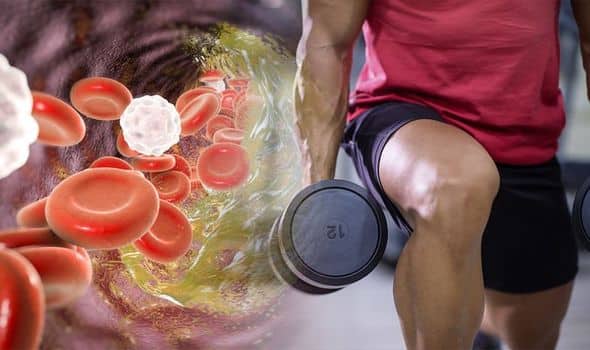
“5 Easy Exercises to Reduce Cholesterol Naturally without medicines“
In this article, we explore five easy exercises that can help reduce cholesterol naturally without medication. Running, cycling, HIIT, and jumping rope are all examples of cardio exercises that can improve your cholesterol levels and support better heart health.
1.What is Cholesterol?
- Cholesterol is a waxy, fat-like substance found in your blood. Your body actually needs some cholesterol to function properly. It helps build healthy cells, produce hormones, and make vitamin D. The liver makes most of the cholesterol your body needs.
- So, cholesterol itself is not “bad.” The problem starts when there is too much of it in your blood.
- Cholesterol passes through our bloodstream in tiny packages called lipoproteins. There are two main types:
- LDL (Low-Density Lipoprotein) – Often called “bad” cholesterol. Too much LDL can build up on the walls of your arteries, forming plaque. This can narrow the arteries and increase the risk of heart attack or stroke.
- HDL (High-Density Lipoprotein) – Known as “good” cholesterol. HDL helps carry excess cholesterol back to the liver, where it can be removed from the body.
- When LDL levels are high and HDL levels are low, cholesterol can slowly clog your arteries. This makes it harder for blood to flow freely.
- Cholesterol levels are measured with a simple blood test called a lipid profile. Keeping your cholesterol in a healthy range is important for protecting your heart and overall health.
2. How Exercise Helps Lower Cholesterol
Exercise is one of the most powerful natural tools . Exercise helps in :
👉Boosting Good Cholesterol (HDL)
Regular physical activity increases HDL. It acts like a cleaning crew, sweeping away excess cholesterol from your bloodstream.
👉Lowering Bad Cholesterol (LDL)
Exercise helps reduce LDL levels. It also lowers triglycerides, another type of fat in the blood.
👉Improving Heart Health
Your heart is a muscle. When you exercise, you make it stronger. A strong heart pumps blood more efficiently and reduces pressure on arteries.
📌 Also Read
3. “5 Easy Exercises to Reduce Cholesterol“
1. Running
- Running is a powerful way to lower cholesterol naturally. It is a high-intensity aerobic exercise (cardio) that helps reduce low-density lipoprotein (LDL), often called “bad” cholesterol. LDL can build up in your arteries and increase the risk of heart disease. Running helps your body use fat as energy, which supports healthier cholesterol levels.
- One of the best things about running is flexibility. You can adjust the speed, distance, and intensity based on your fitness level. Whether you jog slowly for 15 minutes or run longer distances, your heart and lungs work harder, improving circulation and overall heart health.
- Running doesn’t just lower LDL. Studies show that regular runners, including marathon runners, often have higher levels of high-density lipoprotein (HDL), known as “good” cholesterol. HDL helps remove excess LDL from the bloodstream, acting like a cleanup system for your arteries.
- You don’t need to train for a marathon to see benefits. Start where you are. Even short, consistent runs combined with other cholesterol-lowering exercises can make a big difference over time.

2. High-Intensity Interval Training (HIIT)
- High-Intensity Interval Training, or HIIT, is a type of workout that mixes short bursts of very hard exercise with periods of rest or low-intensity movement. For example, you might sprint for 30 seconds, then walk for one minute, and repeat this pattern several times.
- HIIT is well known for improving heart health. Because it pushes your heart rate up quickly, it strengthens your heart and improves blood circulation. But the benefits don’t stop there. Research shows that HIIT can also improve cholesterol levels.
- In studies comparing people who did HIIT with those who were inactive or who did steady, continuous exercise, the HIIT group had significantly lower LDL (bad) cholesterol and lower total cholesterol. This means HIIT may be more effective than regular moderate exercise for improving certain cholesterol markers.
- There is also evidence that HIIT may help slow down the natural drop in HDL (good) cholesterol that can happen as men age. In a five-year study, men who practiced HIIT maintained healthier HDL levels compared to those who exercised without including high-intensity intervals.
- HIIT workouts are usually short. Even 20–30 minutes, a few times a week, can make a noticeable difference when done consistently.
3. Weight Lifting
- Weight lifting, also known as resistance or strength training, is another effective way to support healthy cholesterol levels. While it may not have as strong an impact as cardio exercises, it still offers important benefits specially as you get older.
- Regular weight lifting can help:
- Lower LDL (bad) cholesterol
- Raise HDL (good) cholesterol
- Reduce triglycerides
- Lower total cholesterol
- The overall effect on cholesterol is usually moderate, but it is still meaningful. Research suggests that strength training may be especially beneficial for adults over 40, helping improve cholesterol levels and overall metabolic health.
- Weight lifting works by building muscle. More muscle means your body burns calories more efficiently, even at rest. This can help reduce body fat, which plays a key role in improving cholesterol levels.
- You don’t need heavy gym equipment to get started. You can use:
- Your own body weight
- Dumbbells
- Barbells
- Gym machines
- Resistance bands
- The key is working your muscles against resistance. This challenge helps strengthen and grow muscle tissue.
- Some simple weight lifting exercises to try include:
- Bench press
- Bicep curls
- Deadlifts
- Lat pull-downs
- Lunges
- Squats
- Aim for strength training at least two times per week. Combine it with aerobic exercise for the best cholesterol-lowering results.
4. Yoga and Stretching
- Yoga and stretching may seem slow and gentle, but don’t underestimate their power. When it comes to lowering cholesterol naturally, yoga works well. Instead of only burning calories like cardio exercises, yoga improves the way your body handles stress, circulation, and metabolism.
- It’s like tuning your engine instead of just pressing the accelerator aand sometimes, that’s exactly what your body needs.
👉Best Yoga Poses for Lowering Cholesterol
Here are some yoga poses that can support circulation, reduce stress, and improve metabolic function:
1. Cobra Pose (Bhujangasana)
Cobra Pose opens the chest and strengthens the spine. It stimulates abdominal organs and improves breathing capacity.
How to do it:
- Lie on your stomach with legs extended.
- Place your palms under your shoulders.
- Slowly lift your chest while keeping hips on the floor.
- Hold for 15–30 seconds while breathing deeply.
- Repeat 3–5 times.
This pose improves posture and helps expand the lungs, which supports better oxygen flow.
2. Bridge Pose (Setu Bandhasana)
Bridge Pose strengthens the back and improves circulation. It also gently stimulates the thyroid gland, which plays a role in regulating metabolism.
How to do it:
- Lie on your back with knees bent and feet flat on the floor.
- Press your feet into the ground and lift your hips upward.
- Keep your shoulders relaxed.
- Hold for 20–30 seconds while breathing steadily.
This pose supports heart health and helps relieve stress and fatigue.
3. Seated Forward Bend (Paschimottanasana)
This calming stretch massages the abdominal organs and helps relax the nervous system.
How to do it:
- Sit with legs straight in front of you.
- Slowly bend forward toward your toes.
- Keep your spine long and breathe deeply.
- Hold for 20–30 seconds.
This pose reduces anxiety and supports digestion and both important for cholesterol management.
4. Surya Namaskar (Sun Salutation)
Surya Namaskar is a sequence of flowing movements that combines stretching, strength, and light cardio. It gently increases heart rate and improves flexibility.
Practicing 5–10 rounds daily can:
- Improve circulation
- Boost metabolism
- Reduce stress
- Support heart health
It’s like getting a mini full-body workout in just a few minutes.
5. Cycling
- Cycling is one of the best exercises you can choose for lowering cholesterol and improving heart health. Whether you ride outdoors in fresh air or use a stationary bike at home or in the gym, cycling gives your heart a strong and steady workout.
- When you cycle, your heart rate increases, which helps improve blood circulation. Better circulation means your body can move oxygen and nutrients more efficiently. Over time, this supports lower LDL (bad cholesterol) and can help raise HDL (good cholesterol). It also helps reduce triglycerides, another type of fat in the blood.
- Cycling is especially good because it strengthens large muscle groups in your legs—like your thighs and calves. The more muscle you build and use, the more calories and fat your body burns. This helps with weight control, which plays a big role in managing cholesterol levels.
- Another major advantage? Cycling is low-impact. Unlike running, it puts less pressure on your knees, hips, and ankles. That makes it a great option for older adults, people with joint pain, or anyone recovering from injury.
- You don’t need long sessions to see benefits. Start with 20–30 minutes, three to five times a week. Keep a comfortable pace at first. As your stamina improves, you can increase speed or add small hills for more challenge.
- Think of cycling as smooth, steady work for your heart—gentle on your joints but powerful for your health.
4. How Often Should You Exercise to Lower Cholesterol?
- Exercise can lower cholesterol—but only if you do it consistently. Doing a workout once in a while is not enough. Your body needs regular movement to see real changes in LDL (bad cholesterol) and HDL (good cholesterol).
The American Heart Association recommends that adults aim for the following each week:
- Muscle-strengthening exercises at least two times per week, and
- 150 to 300 minutes of moderate-intensity activity, such as brisk walking, cycling, or swimming
OR - 75 to 150 minutes of high-intensity activity, such as running or HIIT
You can divide this time in any way that fits your schedule. For example:
- 30 minutes of exercise, five days a week
- 50 minutes, three days a week
- Short 20-minute sessions spread across the week
The key is consistency, not perfection. Even small sessions add up over time.
If you are able to exercise more than the recommended amount, that’s even better. Studies show that higher levels of physical activity are linked to greater heart health benefits, including better cholesterol control.
Start at your current fitness level. Build gradually. And remember—regular movement is one of the most powerful tools you have for protecting your heart.
5. Other Ways to Lower Cholesterol Naturally
Exercise is powerful, but it works even better when combined with healthy lifestyle habits. If you want to lower your cholesterol naturally either without medication or along with it these changes can make a big difference.
👉Eat Whole Foods
Focus on eating natural, unprocessed foods. Fill your plate with:
- Fresh vegetables
- Fruits
- Whole grains like oats and brown rice
- Nuts and seeds
- Beans and lentils
These foods are rich in fiber, which helps remove extra cholesterol from your body. When choosing meat, try to eat more fish and seafood. Fatty fish like salmon contain healthy fats that support heart health.
👉Avoid Processed Foods and Red Meat
Processed foods are often high in sugar, salt, and unhealthy fats. Packaged snacks, fried foods, and fast food can raise LDL (bad) cholesterol.
Try to reduce red meat such as beef and pork. Red meat contains cholesterol and saturated fat, which may increase your levels. Choose lean proteins like chicken, fish, or plant-based options instead.
👉Avoid Saturated Fats
Saturated fats can raise cholesterol levels. They are commonly found in:
- Butter
- Full-fat dairy products
- Cream
- Fatty meats
Instead, choose healthy unsaturated fats like:
- Avocados
- Olive oil
- Nuts
- Seeds
- Fatty fish
These fats support heart health when eaten in moderation.
👉Quit Smoking
If you smoke, quitting is one of the best things you can do for your heart. Smoking lowers HDL (good cholesterol), which helps remove bad cholesterol from your blood. When HDL drops, LDL can build up more easily in your arteries.
Quitting smoking improves circulation, raises good cholesterol, and lowers your risk of heart disease.
6. When Should You Consider Medication?
For many people, mild or moderately high cholesterol can be managed with lifestyle changes. Regular exercise, healthy eating, weight control, and quitting smoking are often the first steps doctors recommend. In fact, these are considered first-line treatments for improving cholesterol levels.
However, there are times when lifestyle changes alone may not be enough. In certain situations, healthcare professionals usually recommend adding medication to help lower cholesterol and reduce the risk of heart disease.
You may need medication if:
- Your LDL (bad) cholesterol is 190 mg/dL or higher.
At this level, the risk of heart disease is much higher. Medication is typically advised along with healthy lifestyle habits. - You are between 40 and 75 years old, have LDL cholesterol of 70 mg/dL or higher, and have diabetes.
Diabetes already increases the risk of heart disease. When combined with elevated LDL cholesterol, medication is often recommended to provide extra protection.
If you are unsure about your numbers, a simple blood test can measure your cholesterol levels. Always discuss your results with a healthcare professional. They can help you decide whether lifestyle changes are enough or if medication is needed.
Remember, medication does not replace healthy habits. It works best when combined with regular exercise and a balanced diet.
7.Conclusion
Reducing cholesterol naturally is possible with simple and consistent effort. You do not need complicated workout plans or expensive gym memberships. Regular physical activity—such as walking, cycling, strength training, or yoga—can significantly improve your cholesterol levels and support heart health.
The most important factor is consistency. Aim to move your body every day, even if it is for a short time. When regular exercise is combined with a balanced, healthy diet, the benefits are even greater.
Small, steady changes made today can lead to long-term improvements. By staying active and making smart lifestyle choices, you can protect your heart and improve your overall health for the future.
FAQs
1. How long does it take to lower cholesterol with exercise?
You may see improvements within 6 to 12 weeks with regular exercise.
2. Is walking enough to reduce cholesterol?
Yes, brisk walking for 30 minutes daily can significantly improve cholesterol levels.
3. Can exercise replace cholesterol medication?
Not always. Some people still need medication. Always follow your doctor’s advice.
4. What is the best time to exercise?
Any time that fits your schedule. Morning or evening both work.
5. Can thin people have high cholesterol?
Yes. Even slim people can have high cholesterol due to genetics or diet.

Hi, I’m Shishpa, founder of Healthfacts.in. I am a passionate health blogger focused on Mental wellness, Diabetes care, Weight management, and natural remedies. My goal is to provide easy, research-based and practical health advice that anyone can follow at home.